Is Pressure Washing Brick Mortar Safe for Older Heritage Homes?
Western Sydney is home to some of Australia's oldest European-built structures. From the Georgian and Victorian homes of Parramatta and Windsor to the Federation cottages of Penrith, Granville, Blacktown and the Hawkesbury, heritage brickwork is part of the region's identity. Keeping these homes clean matters, but the method you choose matters far more. The short answer is that standard high-pressure washing is generally not safe for older heritage brick and mortar. Low-pressure and soft washing techniques, however, can be both safe and highly effective when done correctly.
Why Heritage Brick and Mortar Is Different
Modern bricks and mortar are manufactured to consistent standards, typically using hard Portland cement-based mixes. Older homes were built very differently, and that difference is the key to understanding why aggressive cleaning causes damage.
Lime Mortar Is Softer by Design
Homes built before the early 20th century were commonly constructed with lime-based mortar or lime-sand mixes. Lime mortar is intentionally softer and more porous than the brick it surrounds. It allows moisture to move through the wall and evaporate through the mortar joints, which protects the bricks themselves. When high-pressure water strikes these joints, it can erode https://codyjflt327.northstarcolumn.com/posts/how-pressure-cleaning-eliminates-dangerous-slip-hazards the mortar quickly, leaving hollow, recessed or crumbling joints.
Early Colonial Bricks Are Often Soft and Porous
Many bricks made in Sydney's early colonial period were handmade or locally fired from Cumberland Plain clay and shale. These bricks vary widely in hardness. Some have a fire-hardened outer skin that, once blasted away, exposes a softer, more absorbent interior. Once that protective face is lost, the brick absorbs more water, weathers faster and becomes prone to spalling, where flakes of brick surface peel away.
Sandstone Details and Mixed Materials
Many heritage homes in the region combine brick with sandstone sills, quoins, foundations and decorative elements. Sydney sandstone is particularly vulnerable to high pressure and can lose fine detail permanently.
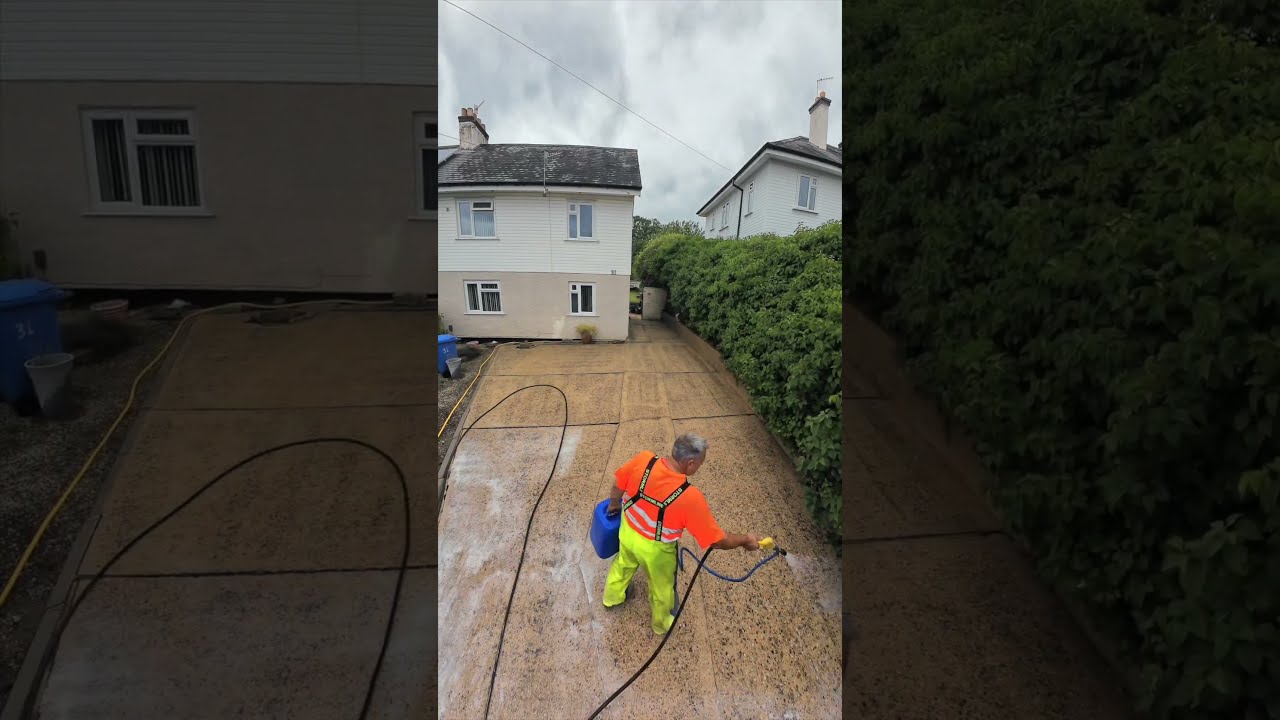
The Risks of High-Pressure Washing on Older Brickwork
Pressure washers used for driveways and concrete often operate at 3,000 PSI or more. On heritage masonry, that force can cause lasting harm. Common problems include:
- Mortar erosion: Joints are scoured out, weakening the wall and exposing bedding material.
- Brick face damage: The hard outer layer is stripped, leading to spalling and accelerated decay.
- Water penetration: Forcing water into joints and cracks can saturate walls, leading to damp, efflorescence, mould and internal plaster damage.
- Salt migration: Excess water can draw soluble salts to the surface, leaving white powdery deposits.
- Costly repointing: Repairing damaged joints requires skilled tradespeople and compatible materials, which is far more expensive than careful cleaning.
Damage of this kind is often irreversible. Unlike a dirty wall, eroded heritage brick cannot simply be cleaned again.
Heritage Considerations in Western Sydney
If your property is listed as a heritage item or sits within a heritage conservation area, there may be additional considerations. Councils across Western Sydney, including Parramatta, Hawkesbury, Penrith, Blacktown, Liverpool and Camden, maintain heritage registers and may have controls on works that alter the fabric of a listed building. Routine cleaning is often considered maintenance, but abrasive or chemical methods that change the appearance or condition of the masonry may require approval or at least consultation.
Before cleaning a listed or potentially significant property, it is wise to:
- Check your local council's heritage list and conservation area maps.
- Review any conditions attached to your property's heritage listing.
- Consult the council heritage advisor if you are unsure whether your cleaning method is appropriate.
- Have a small, discreet test area cleaned first to assess the results.
- Engage a cleaner who understands traditional masonry and can explain their method in writing.
Guidance from heritage bodies such as the NSW Heritage Office and the Australia ICOMOS Burra Charter emphasises using the gentlest effective method and avoiding changes that cannot be reversed. That principle applies directly to cleaning.
Safer Alternatives to High-Pressure Washing
The good news is that heritage brick can be cleaned effectively without harming it. The right approach depends on the type of soiling, the condition of the masonry and the materials involved.
Soft Washing
Soft washing uses low water pressure, often similar to a garden hose, combined with a suitable biodegradable cleaning solution. The solution does the work of breaking down algae, mould, lichen and organic stains, rather than force. After a dwell time, the surface is gently rinsed. This method is widely regarded as the safest option for fragile or older masonry, though the cleaning agent must be chosen carefully to suit the substrate.
Low-Pressure Rinsing
For lightly soiled walls, low-pressure rinsing with clean water, sometimes assisted by soft natural-bristle brushes, may be all that is required. Nozzle selection and distance from the wall are critical. A wide fan nozzle held well back reduces the risk of impact damage.

Biological Treatments
Western Sydney's humid summers and shaded south-facing walls encourage moss, algae and lichen growth. Targeted biocide treatments can kill these organisms at the root, and they then fade or rinse away over time. This reduces the need for any mechanical force.
Methods to Avoid
- Abrasive blasting such as sand or grit blasting, which removes the brick face.
- Strong acids like undiluted hydrochloric acid, which can dissolve lime mortar and cause staining.
- Hot, high-pressure water on soft or damaged masonry.
- Waterproof sealers applied over heritage brick without expert advice, as they can trap moisture inside the wall.
These are lists of what to avoid, but a more detailed assessment by a masonry professional is always best before deciding on a final method.
How to Tell Whether Your Brickwork Is Suitable for Any Pressure Cleaning
Before any water-based cleaning, inspect the wall. Signs that your brickwork is fragile and needs extra care include:
- Sandy or powdery mortar that crumbles when scratched with a key.
- Joints that are recessed deeply or have visible gaps.
- Flaking, peeling or laminating brick faces.
- Rising damp marks or white salt deposits near ground level.
- Cracks that allow water to enter the wall cavity or interior.
If you notice any of these, repair work such as repointing with lime mortar may be needed before cleaning. Cleaning damaged masonry can worsen existing problems and force water into places it should not be.
Western Sydney Conditions That Affect Cleaning
Local climate and environment influence how brick weathers and how it should be cleaned. Hot summers, sudden storms and humid periods encourage biological growth on shaded walls. Properties near busy roads such as the M4, M7 and Great Western Highway can accumulate traffic grime and fine particulate staining. Homes close to the Hawkesbury-Nepean river system often face higher moisture levels and heavier mould growth.
Timing also matters. Cleaning in mild, dry weather allows walls to dry slowly and evenly. Avoid cleaning in strong direct sun, which can cause cleaning solutions to dry too quickly, or just before cold or wet spells, which can leave masonry damp for extended periods.
Choosing the Right Cleaner for a Heritage Home
Not every exterior cleaning business has experience with traditional masonry. When selecting a provider in Western Sydney, ask direct questions:
- Do you have experience cleaning heritage or lime-mortar buildings?
- What pressure will you use, and which nozzles and chemicals?
- Will you complete a test patch before starting the full job?
- Are you fully insured, including public liability?
- How do you protect gardens, windows, timber and other materials during cleaning?
A professional who recommends soft washing, explains their process clearly and is willing to adjust the method based on your wall's condition is far more likely to protect your home's character and value.

Practical Tips for Homeowners
If you decide to clean heritage brickwork yourself, keep these points in mind. Start with the least aggressive method, such as a soft brush and water. Always test a small, hidden area first. Keep any pressure washer at its lowest setting, use a wide fan nozzle and maintain a generous distance from the wall. Never aim spray directly into mortar joints, and never spray upward under eaves, flashings or into weep holes. Protect electrical outlets, and ensure windows and doors are sealed to prevent water entering the house.
The Bottom Line
High-pressure washing is not a safe default for older heritage homes in Western Sydney. The soft lime mortar and age-worn bricks that give these homes their charm are also what make them vulnerable. A gentler approach using low pressure, appropriate cleaning solutions and careful technique can restore the appearance of your brickwork while protecting its long-term integrity.
For homeowners, the best investment is a considered, conservative cleaning method, ideally carried out by a professional who understands traditional masonry. It costs far less than repairing damage caused by the wrong approach, and it helps preserve a piece of Western Sydney's history for years to come, well into 2027 and beyond.
Western Sydney Pressure Cleaning
Unit 2/1 Cowpasture Pl, Wetherill Park NSW 2164
(02) 9000 1596